Structural repair · Fords, New Jersey
Frame and structural repair,
measured rather than eyeballed.
Leslie's Auto Body performs frame and structural repair at its Fords, New Jersey shop, straightening and realigning a vehicle's underlying structure after an impact rather than only repairing the visible panels. Structural work determines how the vehicle behaves in a second collision, so it is measured and documented as part of the repair, not estimated by eye.
What actually happens
Step by step, from the customer’s side of the counter.
Structural damage is the part of a collision repair a customer cannot inspect. Panels can be checked with your own eyes from the kerb. Whether the shell is still square is a question about millimetres, and it is answered with measuring equipment or it is not answered at all.
It matters because a car is designed to absorb a crash in a specific sequence. If the structure is left slightly out, the next impact does not travel where the engineers intended it to. That is the safety argument, and it is the reason this work is documented rather than described.
Most cars on the road are unibody, where the floor, pillars, roof rails and fenders are one connected structure. Trucks and larger SUVs are usually body-on-frame. They are different repairs with different equipment, and conflating them is how a job goes wrong quietly.
- 01
Strip until the structure is visible
Bumpers, lights and panels come off. Structural damage cannot be assessed through a bumper cover, and a first estimate written before this step is an opening position, not a finding.
- 02
Measure in three dimensions
Height, width and length, against the manufacturer’s own dimensional data. Laser and target systems in this category read to about a millimetre, which is the tolerance that actually matters here.
- 03
Anchor the vehicle
The car is clamped onto the bench so it cannot move while force is applied. Everything after this point depends on the anchoring being right.
- 04
Pull, watching the numbers
Hydraulic towers apply controlled force through chains attached to specific structural points. Measurement runs live during the pull rather than only before and after, so the structure is brought back to the number rather than to a look.
- 05
Section and weld where required
On a unibody, some damage is corrected by replacing a section rather than pulling it. Where the manufacturer specifies that, it is what happens, and the joins are made where the manufacturer says to make them.
- 06
Re-measure, then document
The final measurements go in the file. That record is what supports the claim, the warranty, and the conversation with a buyer three years from now.
How pricing works
Structural work is quoted after the teardown, and never before it.
Anyone quoting frame work from a photograph is quoting a guess. The variables (how far the energy travelled, which sections took it, whether the manufacturer allows a pull or requires a replacement) are only visible once the car is stripped and on the bench.
This is also the most common origin of a supplement. If the initial estimate was written from the outside and the teardown finds structural movement, that goes to your insurer as documented findings with photographs and measurements attached. It is normal and it is how the process is meant to work.
The estimate and the teardown assessment are free. What we will not do is give you a number that is designed to be revised upward later.
From this shop
Real cars, photographed here.
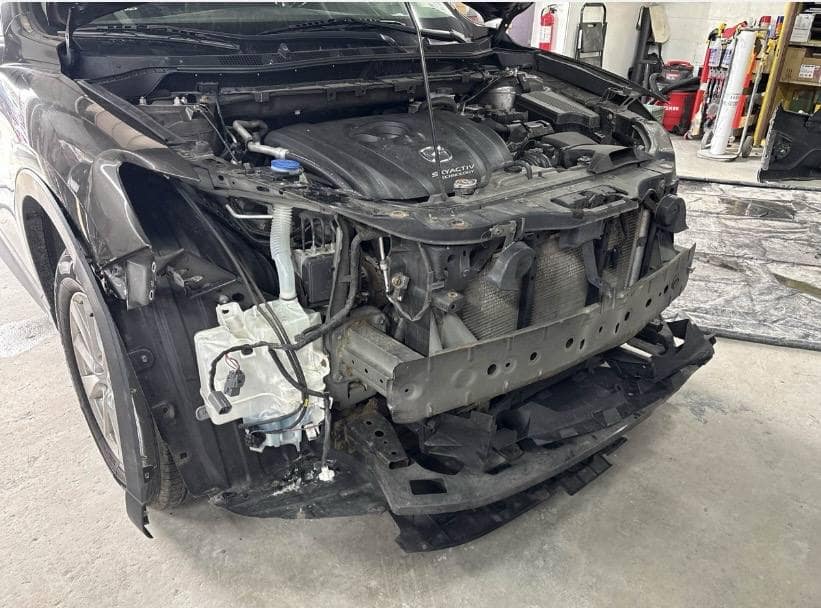
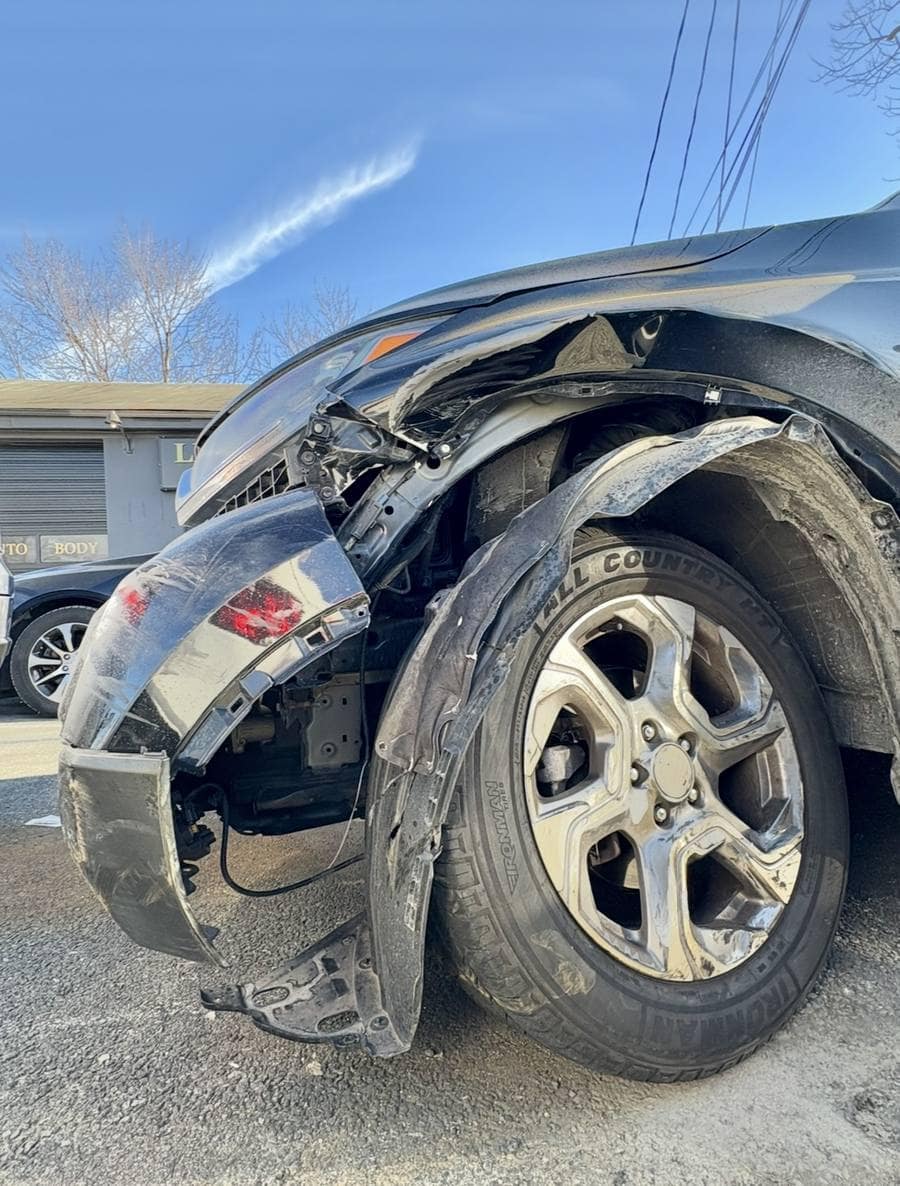
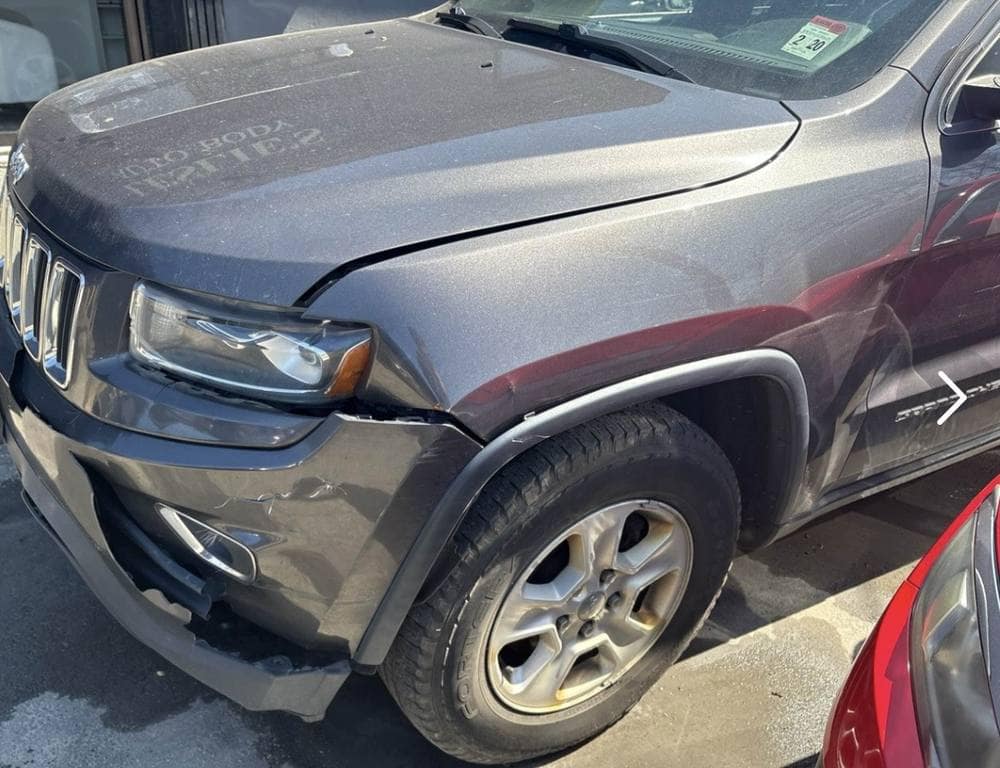
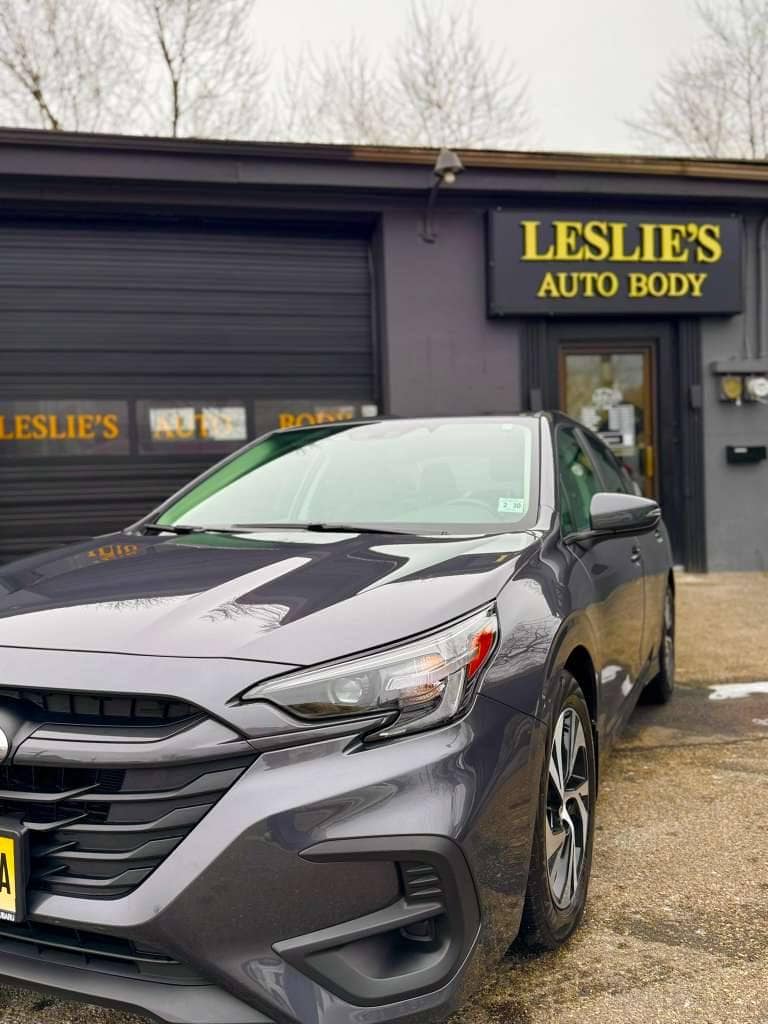
Photographs from our own shop and our Google profile. These are different vehicles, not before-and-after pairs of one job.
Lifetime
Workmanship warranty, in writing
4.9 / 5
61 Google reviews
Google Maps40+ years
The shop on King Georges Post Rd
Free estimate
Let’s take a look
at your car.
Tell us what happened and we’ll discuss the repair. Your estimate is free and carries no obligation.
(732) 738-1948Mon–Fri 8:30–5:30 · Sat 9:00–1:00
Request a free estimate
Frame and Structural Repair questions
The things people ask before they call
Usually it can. A frame machine anchors the car, applies controlled hydraulic force through specific structural points, and brings the shell back to the manufacturer’s dimensions while measurement runs live during the pull. Whether it is economic to do is a separate question from whether it is possible, and you get both answers.
Most cars and small crossovers are unibody: the floor, pillars, roof rails and fenders are one connected structure that absorbs crash energy together. Trucks and larger SUVs are usually body-on-frame, with the body bolted to separate rails. They need different equipment and different repair methods.
Systems in this category read to about a millimetre using lasers and reflective targets, in three dimensions, and they can be watched live while the pull is happening rather than only checked at the start and the end. That is what turns structural work from a judgement call into a measurement.
When the structure is returned to the manufacturer’s dimensions and the manufacturer’s repair method is followed, it is repaired to specification. That is the standard the work is measured against and documented to. If a car cannot be brought back to specification, you will be told that rather than sold a repair.
Because structural damage is not visible from outside. A first estimate written from the kerb cannot see how far the energy travelled. What the teardown finds is submitted to your insurer as a supplement, with photographs and measurements attached. It is the normal shape of a structural claim.
Structural work and wheel alignment are related but not the same thing. Bringing the shell back to its dimensions is what makes a correct alignment possible in the first place. What your specific vehicle needs after the pull is part of the repair plan you are shown.
Insurance claims are generally reported, and structural repairs are the kind buyers ask about. That is an argument for documentation rather than against it: a measured, recorded repair to manufacturer specification is a far better answer to a buyer than an undocumented one.
No. You choose who repairs your vehicle. Insurers often suggest shops they hold direct repair agreements with, and those suggestions are convenient, but the decision is yours. This shop is not a direct repair facility for any carrier, which means repair decisions are made for you rather than for the company paying the bill.
Yes. Every repair carries a lifetime workmanship warranty: if a workmanship-related issue arises with the repair, it is corrected at no cost for as long as you own the vehicle. Replacement parts carry whatever warranty their own manufacturer provides. The workmanship guarantee is ours, and it does not expire on a date.
No. We are a collision repair shop, not a recovery service, and we would rather tell you than take the job and subcontract it. What we will do is tell you where the car should go before you book a tow, which saves a storage bill and a second move.
One phone call and the car stops being your problem.
Free estimate, no obligation, and asking does not start a claim. A person answers the phone.